

A shopper in São Paulo can discover a skincare brand in Seoul before breakfast. A small retailer might spend that same morning looking into café supplies, packaging, or snus wholesale. Different shopping lists, same expectation: buying across borders should be easy. Yet a clumsy translation, a missing payment option, or a surprise customs fee can still kill the deal.
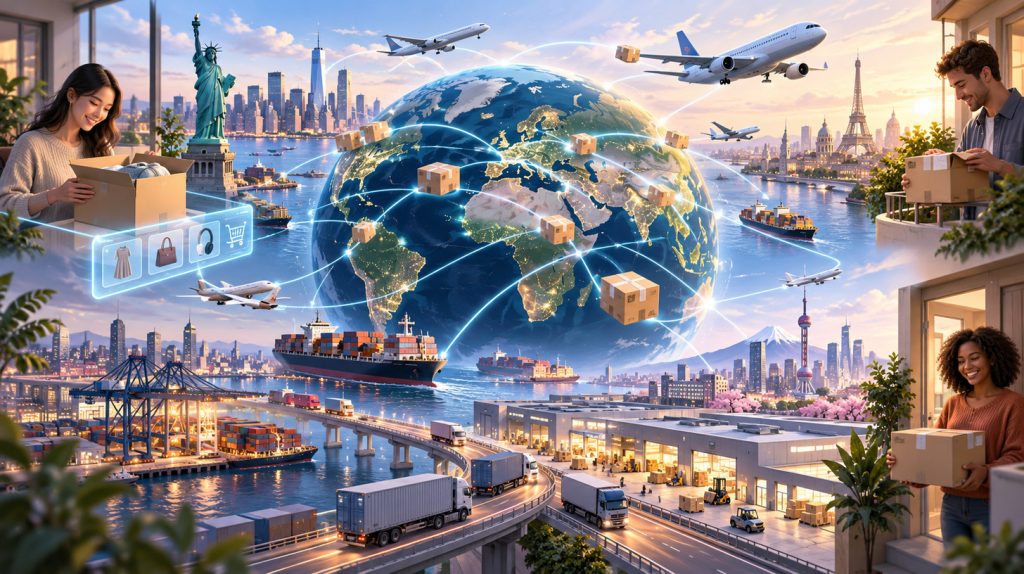
Cross-border shopping is already mainstream. In a DHL survey spanning 29 markets, about seven in ten consumers said they buy from overseas retailers. The next challenge? Making international orders easy enough for people to keep coming back.
1. AI-powered localization goes beyond translation
Showing prices in local currency used to be a decent start. Now shoppers notice the small things: sizing, delivery promises, product photos, even whether a joke lands.
AI can rewrite product pages for different markets, adapt ads, answer questions in the customer’s language, and spot where shoppers drop off. Teams can test local pages without rebuilding their store for each market. AI shopping assistants also need clear product details to recommend the right item.
But fluent doesn’t always mean right. A translated return policy that sounds friendly but changes the meaning is a real problem. Brands still need local reviewers for product claims, cultural details, and anything customers might rely on.
A store earns trust when its words sound natural and its promises hold up.
2. Logistics and payments move closer to the customer
A great product won’t make up for a parcel that takes forever to arrive. Shoppers want accurate delivery windows, tracking they can trust, and a return process that doesn’t require three support emails.
More retailers are using regional warehouses, local delivery partners, and demand forecasts to keep popular items near buyers. Pickup points and local return hubs can also reduce failed deliveries and the cost of sending unwanted goods back across borders.
Wholesale orders bring their own complications. Someone searching for buy wholesale nicotine pouches, for example, has to consider import restrictions and local sales rules alongside shipping costs. The requirements can vary considerably from one market to another.
Checkout is changing, too. Pix in Brazil, UPI in India, and pay-later options in many European markets show why a card-only checkout can be a bad fit. Availability varies, so sellers need to build around the ways people actually pay.
Then there’s the full price. As customs rules for small parcels change, brands need to show duties, taxes, and shipping fees before customers click “buy.” Nobody likes getting an extra bill at the door.
3. Sustainability gets practical
Sustainability claims don’t mean much if every order arrives in three boxes with a pile of plastic inside. Shoppers are paying more attention to what brands do, not just what they say.
The useful changes are often quite ordinary: smaller packaging, fewer split shipments, slower delivery options, and products that can be repaired or resold. Stocking goods closer to buyers can help, but only when the full shipping and storage impact makes sense.
Proof matters. Clear material details and repair information beat vague “eco-friendly” labels. In Europe, stricter green-claim rules and the rollout of digital product passports for selected products are raising the bar.
Price still matters, of course. A greener option has a better chance when it’s convenient and doesn’t punish the customer for choosing it.
4. Social commerce becomes a global storefront
People don’t always start shopping with a search bar. They see a creator try on a jacket, watch a product demo, or find a recommendation in their feed. Sometimes the sale happens inside the app. Sometimes it happens on the brand’s site.
TikTok Shop, Instagram, and YouTube help brands test demand across borders, but the same video won’t work everywhere. Local creators know the questions shoppers ask, the references they understand, and the reasons they hesitate.
A well-matched local creator can do more than a glossy global campaign. They also give brands fast feedback before they spend heavily on stock, ads, and new websites.
The brands that win abroad won’t necessarily be the ones with the biggest reach. They’ll be the ones that make discovery exciting and checkout boring — in the best possible way.